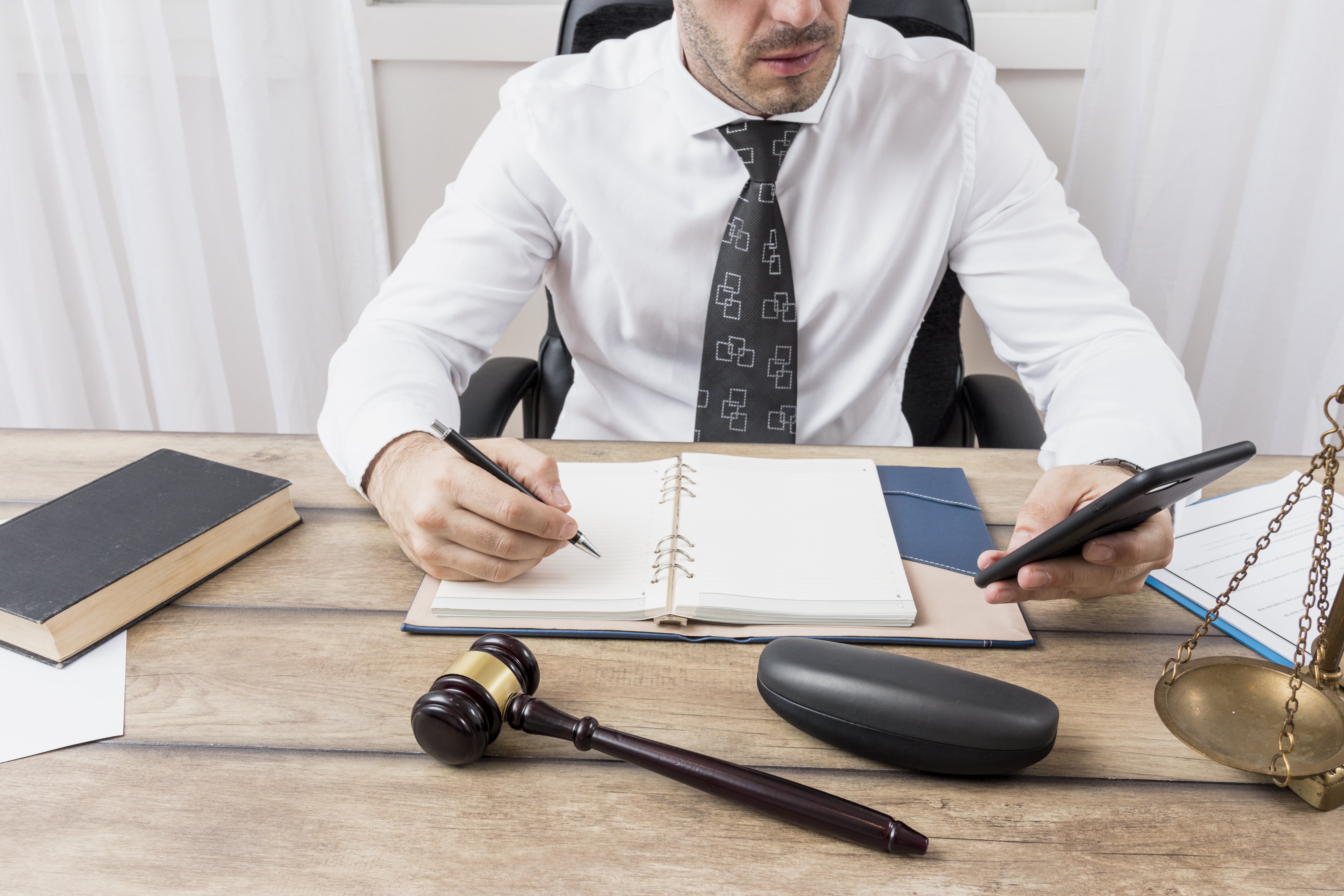
In the world of law, words are more than just communication they are instruments of power, clarity, and legal certainty. Whether it’s a business agreement, a lawsuit, or a simple will, the language used can make or break outcomes. That’s where legal drafting steps in.
Legal drafting is the backbone of effective legal communication. But have you ever wondered where this skill is actually used in practice? In this article, we’ll break down the many domains where legal drafting plays a crucial role, and why every legal professional must master it.
What Is Legal Drafting?
Legal drafting is the process of preparing legal documents that articulate rights, duties, obligations, or remedies. Unlike general writing, legal drafting demands precision, clarity, and structure. It transforms abstract laws into actionable, binding documents.
Legal Drafting vs Legal Writing
Though often used interchangeably, legal drafting and legal writing are distinct.
- Legal writing includes memos, articles, and briefs that interpret or analyze the law.
- Legal drafting is focused on creating legally binding instruments, like contracts or pleadings.
In essence, legal drafting speaks the language of action what must or must not be done.
Legal Drafting in Litigation Practice
Perhaps the most visible application of legal drafting is in courtrooms and litigation.
1. Pleadings and Submissions
Lawyers prepare a range of court documents including:
- Plaints (for initiating suits)
- Written statements (defense responses)
- Affidavits (sworn written statements)
Each document must be drafted in line with procedural laws, ensuring compliance with court rules and maintaining factual accuracy.
2. Applications and Motions
Whether it’s a bail application, injunction request, or summary judgment motion, each needs to be persuasively drafted to win over the court.
3. Appellate Submissions
In appeals, legal drafting becomes even more nuanced. Appellate lawyers must craft crisp legal arguments, often with complex precedent analysis, to challenge or defend a lower court’s judgment.
Legal Drafting in Corporate Law
In the corporate world, legal drafting touches almost every transaction.
1. Contracts and Agreements
Drafting contracts is a daily affair in corporate law. From employment contracts to shareholder agreements, every clause must be clearly written to minimize future disputes.
2. Memorandum of Understanding (MoU)
MoUs define the terms of preliminary business arrangements. They serve as a blueprint before a final contract and require careful drafting to prevent ambiguity.
3. Policies and Compliance Documents
Companies must adhere to a plethora of legal requirements. This includes privacy policies, HR guidelines, and compliance manuals, all of which are products of precise legal drafting.
Legal Drafting in Real Estate Transactions
Property dealings involve massive financial stakes, making proper drafting essential.
1. Sale and Lease Agreements
Real estate lawyers frequently draft:
- Sale Deeds
- Lease Agreements
- Mortgage Deeds
Each document must protect client interests, define liabilities, and comply with real estate laws.
2. Title Search Reports
Lawyers also draft title reports and encumbrance certificates after verifying a property’s legal history — an indispensable step in property purchases.
3. Registration Documents
Legal drafting is key in preparing registration paperwork to be filed with land authorities.
Legal Drafting in Government and Public Policy
The laws we live by? Those are drafted too — often by legal experts working behind the scenes.
1. Laws and Regulations
Legislative drafting is a specialized branch of legal drafting. Legal professionals assist in drafting:
- Bills
- Regulations
- Amendments
This is where clarity and foreseeability are paramount — unclear legislation can create legal chaos.
2. Policy Drafting
Governments rely on policy drafts to frame programs, welfare schemes, or public advisories. Legal drafters ensure these are legally sound and practically viable.
Legal Drafting in Intellectual Property Law
The world of innovation and creativity also leans heavily on legal drafting.
1. IP Registration Documents
Lawyers draft applications for trademarks, patents, and copyrights, ensuring technical and legal completeness.
2. Licensing Agreements
Drafting IP licensing contracts demands meticulous care to outline:
- Duration
- Scope of use
- Royalties
- Territorial rights
3. Enforcement Notices
From cease and desist letters to infringement claims, legal drafting forms the first line of IP protection.
Legal Drafting in Employment and HR
Behind every job offer or company policy lies careful legal language.
1. Employment Contracts
These documents outline:
- Roles and responsibilities
- Compensation
- Probation and termination terms
Poor drafting can lead to workplace disputes and lawsuits.
2. NDAs and Non-Compete Clauses
To protect confidential information, companies rely on well-drafted NDAs. Similarly, non-compete clauses must balance legal enforceability with fairness.
3. HR Manuals and Workplace Policies
Workplace documents like harassment policies, leave guidelines, and disciplinary procedures are drafted with legal foresight to ensure compliance and fairness.
Legal Drafting in Personal Law
In personal and family law matters, legal drafting preserves rights and resolves conflicts.
1. Wills and Trusts
Estate planning starts with legal drafting. A will defines how assets are distributed, while a trust deed details asset management.
2. Divorce and Custody Documents
Divorce petitions, custody agreements, and alimony settlements must be clearly drafted to avoid future litigation.
3. Power of Attorney
These legal instruments allow someone to act on behalf of another — and require absolute clarity to avoid misuse.
Legal Drafting in Alternative Dispute Resolution (ADR)
In mediation, arbitration, and conciliation — where speed and privacy matter — legal drafting plays a pivotal role.
1. Arbitration Agreements
These agreements determine:
- Jurisdiction
- Number of arbitrators
- Arbitration rules
A poorly drafted clause can render arbitration ineffective or unenforceable.
2. Settlement Agreements
Drafting a mediation or conciliation settlement involves turning verbal resolutions into binding written terms.
3. Final Awards
In arbitration, the final decision (award) must be drafted to comply with national arbitration laws and international conventions.
Skills and Tools Required for Legal Drafting
Legal drafting isn’t just about legal knowledge — it’s about how you express it.
1. Precision in Language
Legal language must be specific and unambiguous. Words carry legal weight, so each one must be chosen carefully.
2. Legal Research Skills
A solid draft relies on accurate legal backing. Stay updated with new laws, precedents, and rules.
3. Formatting and Structure
Documents must follow correct structure and formatting — from heading styles to clause numbering and citations.
4. Digital Tools
Useful tools include:
- Grammarly for grammar checks
- MS Word Styles/Templates for formatting
- Citation tools like Zotero or EndNote
- Legal databases for precedent research
Conclusion
So, where is legal drafting used in practice? The answer: everywhere the law operates. From courtrooms to boardrooms, from family matters to federal statutes, legal drafting breathes life into legal action.
Mastering legal drafting means understanding not just what the law says — but how to express it so clearly, so accurately, and so compellingly that it holds up in any arena. Whether you’re a law student, paralegal, or legal professional, this skill will always be your sharpest tool.